 notidy
Building a gym habit, one visit at a timeSpor salonu alışkanlığı: her seferinde bir ziyaret
A gym habit is built from ordinary visits: a Tuesday after work, a short Saturday session. Here is what the WHO and the NHS recommend for adults, and how a weekly visit goal can help.Spor salonu alışkanlığı sıradan ziyaretlerden oluşur: işten sonra bir salı, kısa bir cumartesi antrenmanı. Burada WHO ve NHS’in önerilerini ve haftalık bir hedefin nasıl işe yarayabileceğini bulacaksın.
What the guidelines say for adults
The WHO’s 2020 guidelines recommend “at least 150 to 300 minutes of moderate to vigorous aerobic activity per week for all adults”, including people living with chronic conditions or disability.
The NHS guidelines for adults aged 19 to 64 say to “do at least 150 minutes of moderate intensity activity a week or 75 minutes of vigorous intensity activity a week”.
Strength gets its own line. The NHS says to “do strengthening activities that work all the major muscle groups” on at least 2 days a week.
Its examples include lifting weights and working with resistance bands. As it puts it, “There are many ways you can strengthen your muscles, whether you’re at home or in a gym.”
The NHS also suggests you “spread exercise evenly over 4 to 5 days a week, or every day”.
And the WHO’s fact sheet keeps it simple: “any amount of physical activity is better than none; all physical activity counts”.
Count visits, not results
Results take time and depend on many things you can’t control. A visit is something you can do today. Counting visits keeps your attention on showing up.
Setting your goal as “go twice this week” instead of “get fitter” turns it into something you can measure, and something that is in your hands.
Researchers at University College London (UCL) who studied how people form new habits put the core idea simply: “To create a habit you need to repeat the behaviour in the same situation.”
In their study, it took people an average of 66 days for a new behaviour to become as automatic as it was going to get, and the time varied between people. So if week three still feels like effort, that is normal.
The same team found that “missing one opportunity did not significantly impact the habit formation process.” One skipped Tuesday is not the end of the habit.
Set a weekly visit goal
A weekly goal fits real life better than a daily streak. Weeks have late meetings, sick days and family plans, and a goal of two or three visits leaves room for them.
- Start smaller than you think. Two visits a week that you keep is a better start than five you dread.
- Give each visit a slot. Same days and the same time where you can. That is the “same situation” the UCL researchers talk about.
- Pack the night before. A bag by the door is one less decision.
- Let short visits count. On a busy day, 20 minutes is still showing up.
- Mix in strength. If you are working toward the guidelines, two of your weekly visits can include strengthening work.
Movement outside the gym counts too: walking, cycling, taking the stairs. As the WHO says, all physical activity counts.
Make the first visits easy
The first few visits are often the hardest, because everything is new. A few small choices take the edge off:
- Choose a gym on your way. Near home, work or your daily route, so getting there doesn’t feel like a separate trip.
- Ask about quieter hours. If crowds put you off, ask at the desk which hours are usually calmer.
- Ask for a walkthrough. A member of staff can show you how the machines you want to use work.
- Walk in with a short plan. Two or three things to do, written on your phone, are enough to give the visit a purpose.
Hard weeks happen
Some weeks you will miss your goal. Look at what got in the way: time, energy, a clash in your calendar. Then change the slot or the goal, not your opinion of yourself.
Next week is a new week, and your earlier visits still happened.
If something hurts, or you feel dizzy or unwell while exercising, stop and get medical advice before you go again.
How Notidy fits in
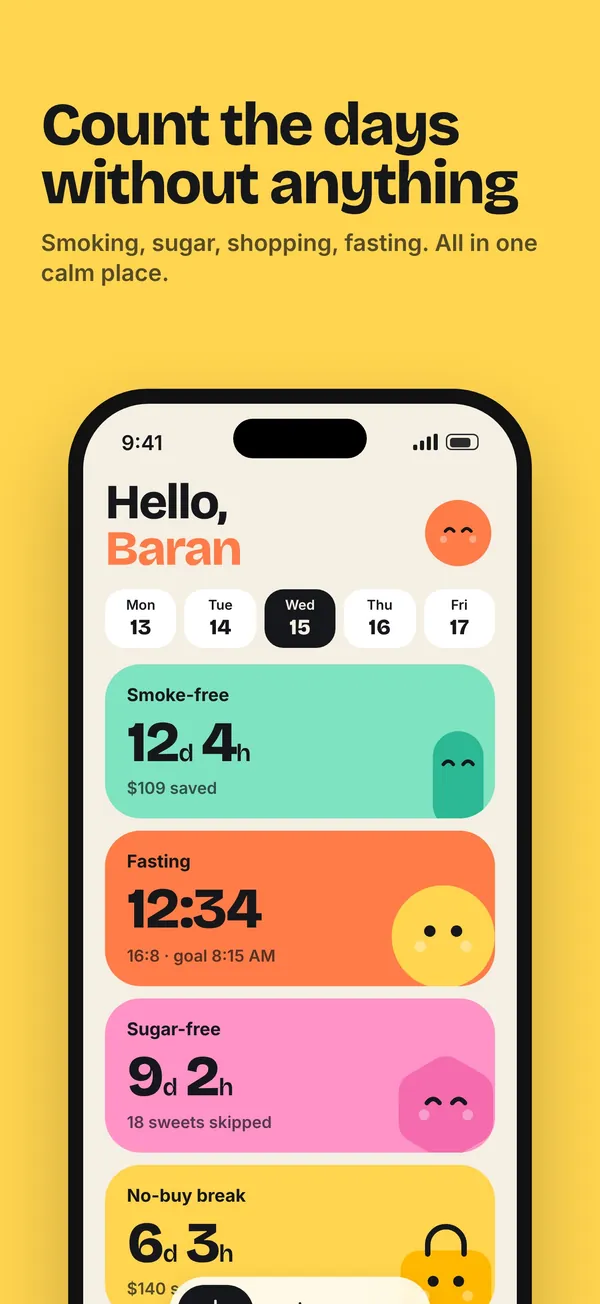
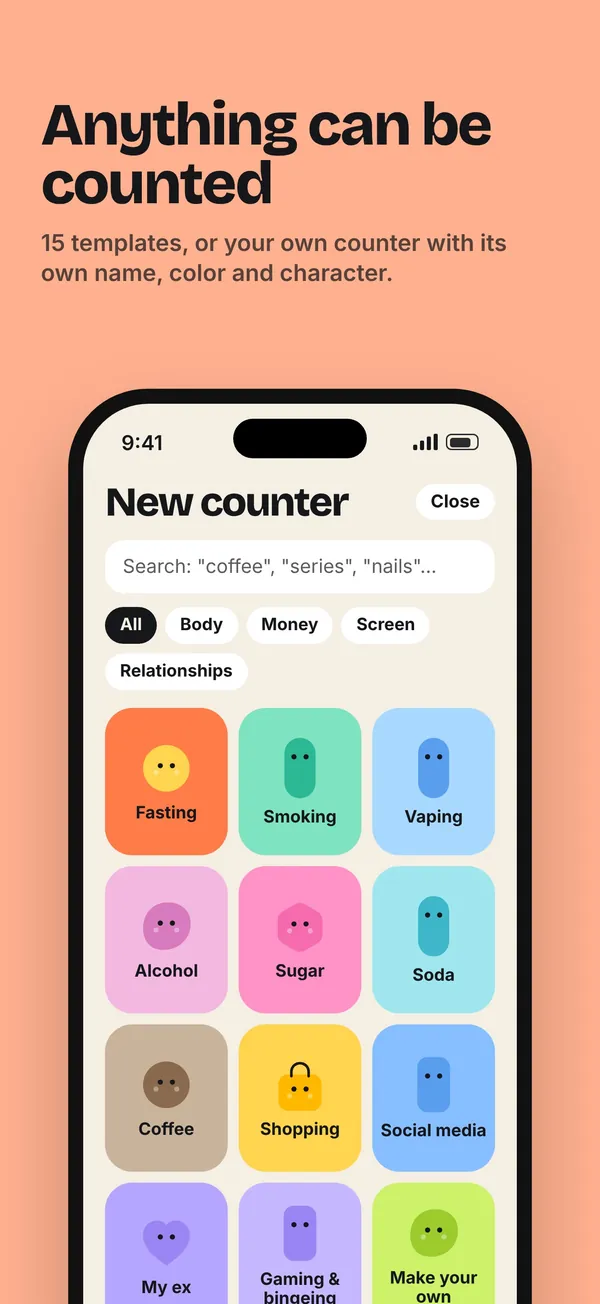
Notidy’s gym counter can count visits by itself. Save your gym on a map once; when you stay there for 15 minutes, the visit counts.
Location is processed only on your iPhone and never leaves it. Notidy doesn’t track your route or keep a location history.
It asks for location permission only after you add your gym, and the feature is optional: you can add visits by hand instead.
Set a weekly goal and watch your week fill up. Your gym character gets stronger with every visit, and milestones and share cards mark the way.
Notidy counts visits. It doesn’t plan workouts or give fitness advice, and it isn’t medical advice. No ads, no account; your data stays on your iPhone.
Sources
- Every move counts towards better health – says WHO. World Health Organization (WHO), 25 November 2020.
- Physical activity (fact sheet). World Health Organization (WHO), 26 June 2024.
- Physical activity guidelines for adults aged 19 to 64. NHS, Last reviewed 22 May 2024.
- How long does it take to form a habit? University College London (UCL), 4 August 2009.
All sources were opened and checked on 19 October 2026. Health facts are quoted as general information, not medical advice.
Kılavuzlar yetişkinler için ne diyor?
WHO’nun 2020 kılavuzları, kronik bir hastalıkla ya da engellilikle yaşayanlar dâhil tüm yetişkinlere haftada en az 150 ila 300 dakika orta ile yüksek yoğunlukta aerobik aktivite öneriyor.
NHS’in 19–64 yaş arası yetişkinler için önerisi ise haftada en az 150 dakika orta yoğunlukta ya da 75 dakika yüksek yoğunlukta aktivite.
Kas gücü de ayrıca anılıyor. NHS, haftada en az 2 gün tüm büyük kas gruplarını çalıştıran güçlendirme egzersizleri yapmayı öneriyor.
Örnekler arasında ağırlık kaldırmak ve direnç bantlarıyla çalışmak var. NHS, kaslarını evde de spor salonunda da güçlendirebileceğini belirtiyor.
NHS ayrıca egzersizi haftanın 4–5 gününe ya da her güne eşit yaymayı öneriyor.
WHO’nun bilgi notu ise işi basit tutuyor: Her miktarda fiziksel aktivite hiç yapmamaktan iyidir; her fiziksel aktivite sayılır.
Sonuçları değil, ziyaretleri say
Sonuçlar zaman alır ve senin kontrol edemediğin birçok şeye bağlıdır. Bir ziyaret ise bugün yapabileceğin bir şey. Ziyaretleri saymak, dikkatini oraya gitmeye verir.
Hedefini “daha formda olmak” yerine “bu hafta iki kez gitmek” diye koymak, onu ölçülebilir ve senin elinde olan bir şeye çevirir.
University College London’da (UCL) alışkanlık üzerine çalışan araştırmacılar temel fikri basitçe söylüyor: Bir alışkanlık oluşturmak için davranışı aynı durumda tekrarlaman gerekiyor.
Çalışmalarında yeni bir davranışın olabileceği kadar otomatik hâle gelmesi ortalama 66 gün sürdü ve bu süre kişiden kişiye değişti. Yani üçüncü haftada hâlâ zorlanıyorsan bu çok normal.
Aynı ekip, tek bir fırsatı kaçırmanın alışkanlığın oluşmasını belirgin şekilde etkilemediğini de buldu. Kaçırılan tek bir salı, alışkanlığın sonu değil.
Haftalık bir ziyaret hedefi koy
Haftalık hedef, günlük seriden daha kolay hayatın içine oturur. Haftalarda geç biten toplantılar, hasta günler ve aile planları olur; iki ya da üç ziyaretlik bir hedef bunlara yer bırakır.
- Düşündüğünden küçük başla. Sürdürebildiğin haftada iki ziyaret, gözünü korkutan beş ziyaretten daha iyi bir başlangıç.
- Her ziyarete bir yer ayır. Elinden geldiğince aynı günler ve aynı saat. UCL araştırmacılarının söz ettiği “aynı durum” bu.
- Çantanı akşamdan hazırla. Kapının yanında duran bir çanta, verilecek kararlardan birini ortadan kaldırır.
- Kısa ziyaret de sayılır. Yoğun bir günde 20 dakika da oraya gittiğin anlamına gelir.
- Güçlendirmeyi de ekle. Kılavuzlara yaklaşmak istiyorsan haftalık ziyaretlerinden ikisine güçlendirme çalışmaları koyabilirsin.
Spor salonu dışındaki hareket de sayılır: yürüyüş, bisiklet, merdivenler. WHO’nun dediği gibi her fiziksel aktivite sayılır.
İlk ziyaretleri kolaylaştır
İlk birkaç ziyaret çoğu zaman en zorudur, çünkü her şey yenidir. Birkaç küçük seçim işini kolaylaştırır:
- Yolunun üstünde bir salon seç. Evine, işine ya da her gün geçtiğin yola yakın olsun; oraya gitmek ayrı bir yolculuk gibi gelmesin.
- Sakin saatleri sor. Kalabalık seni geriyorsa resepsiyonda genelde hangi saatlerin daha sakin olduğunu sor.
- Aletleri göstermelerini iste. Kullanmak istediğin aletlerin nasıl çalıştığını bir görevli sana gösterebilir.
- Kısa bir planla git. Telefonuna yazdığın iki üç hareket, ziyarete bir amaç vermeye yeter.
Zor haftalar da olur
Bazı haftalar hedefini tutturamazsın. Neyin engel olduğuna bak: zaman, enerji, takvimde bir çakışma. Sonra kendin hakkındaki düşünceni değil, saati ya da hedefi değiştir.
Gelecek hafta yeni bir hafta ve önceki ziyaretlerin yine yaşandı.
Egzersiz sırasında bir yerin ağrırsa, başın döner ya da kendini iyi hissetmezsen dur ve yeniden gitmeden önce bir doktora danış.
Notidy burada nasıl yardımcı olur
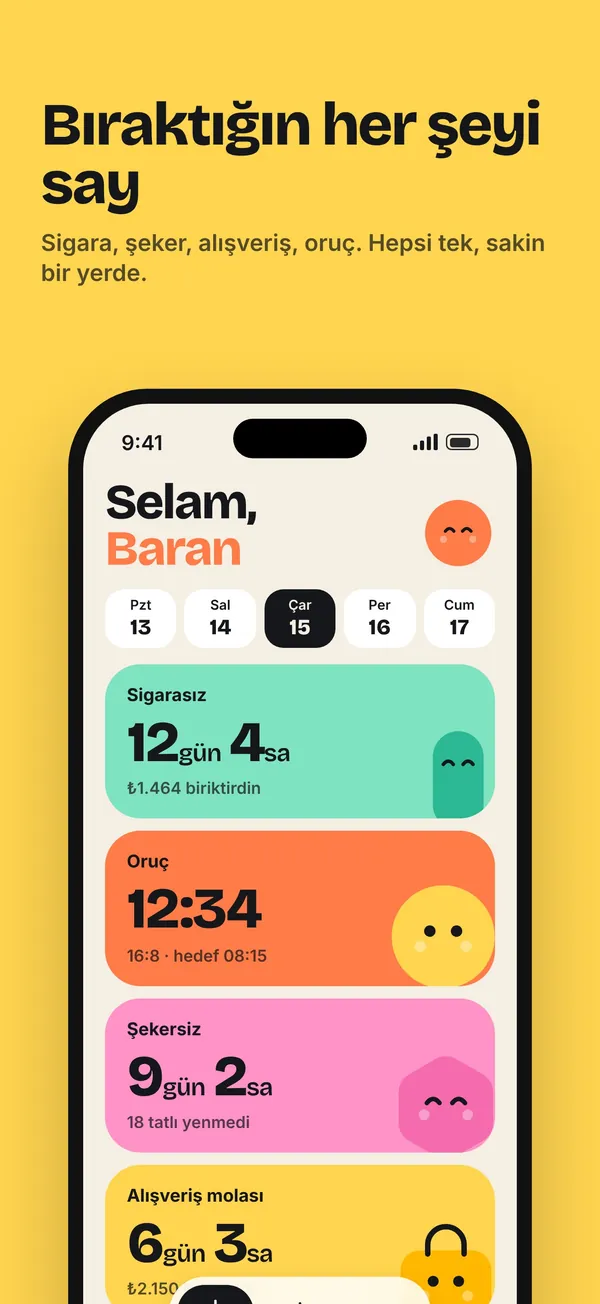
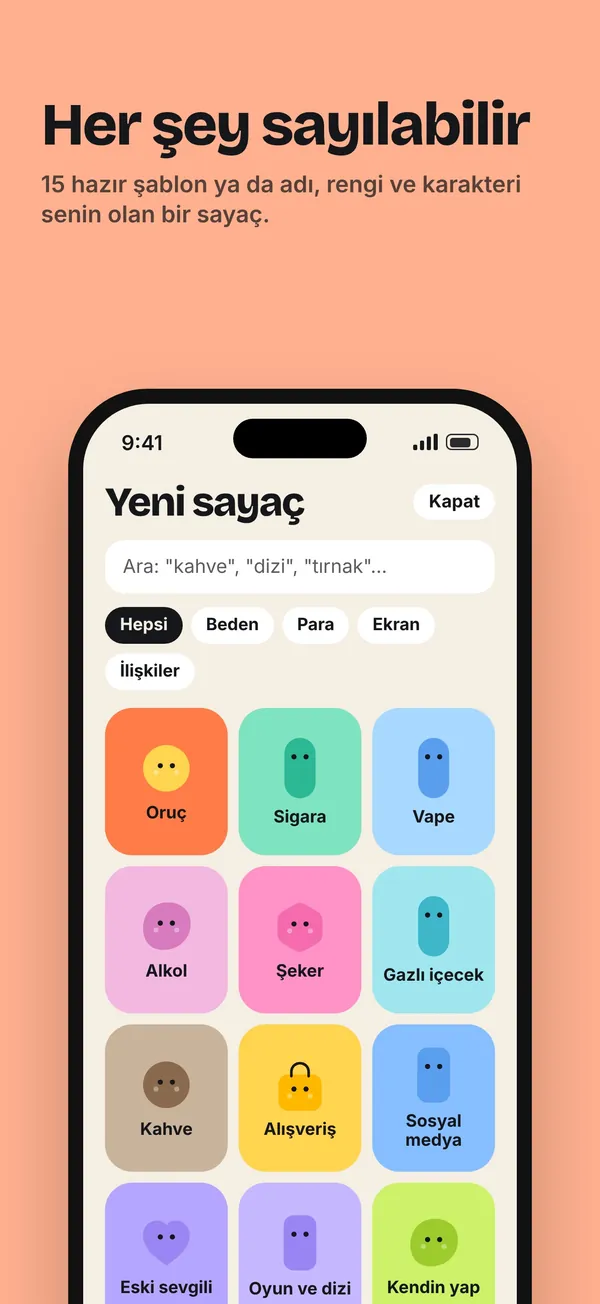
Notidy’nin spor salonu sayacı ziyaretlerini kendiliğinden sayabilir. Salonunu bir kez haritada kaydet; orada 15 dakika kalınca ziyaret sayılır.
Konum yalnızca iPhone’unda işlenir ve oradan hiç çıkmaz. Notidy rotanı izlemez, konum geçmişi tutmaz.
Konum iznini ancak salonunu ekledikten sonra ister. Bu özellik isteğe bağlı: ziyaretlerini elle de ekleyebilirsin.
Haftalık bir hedef koy ve haftanın dolmasını izle. Spor karakterin her ziyarette biraz daha güçlenir; kilometre taşları ve paylaşım kartları da yol boyunca sana eşlik eder.
Notidy ziyaretleri sayar. Antrenman planlamaz, spor tavsiyesi vermez ve tıbbi tavsiye değildir. Reklam yok, hesap yok; verilerin iPhone’unda kalır.
Kaynaklar
- Every move counts towards better health – says WHO. World Health Organization (WHO), 25 Kasım 2020.
- Physical activity (fact sheet). World Health Organization (WHO), 26 Haziran 2024.
- Physical activity guidelines for adults aged 19 to 64. NHS, Son inceleme 22 Mayıs 2024.
- How long does it take to form a habit? University College London (UCL), 4 Ağustos 2009.
Tüm kaynaklar 19 Ekim 2026’da açılıp kontrol edildi. Türkçe aktarımlar kaynakların kendi dilindeki metninden çevrildi. Sağlık bilgileri genel bilgilendirmedir, tıbbi tavsiye değildir.